
Exciting news! For the first time in Greece, the new and improved version of the SOS Approach to Feeding training has just been released!
The participants will have the opportunity to be trained in the SOS Approach to Feeding through 1,022 pages of information provided in the course materials that they will receive during the training.
The most up-to-date and evidence-based content in feeding therapy will be presented, along with more than 400 research studies that support the SOS Approach to Feeding.
In this newly organized and re-written training, you will have more time for client assessment and treatment practice through 92 videos.
Attendees receive a Certificate of Completion that is eligible for submission to Professional Organizations for Continuing Education Hours earned during course.
PROFESSIONAL DEVELOPMENT HOURS/CONTINUING EDUCATION HOURS:
Upon completion of the training, participants will be able to:
List the seven areas of human function that need to be examined to provide a comprehensive Feeding Assessment.
Identify at least five of the oral, sensory, motor, cognitive or emotional developmental milestones key to being able to eat well.
List three reasons why children won’t eat, as based on learning theory principles.
Differentiate classical and operant conditioning principles as applied to resolving feeding problems.
Identify at least four of the necessary components of an SOS Approach to Feeding program for babies, toddlers, and young children in either an individual or group therapy session.
List all three requirements for building a Food Hierarchy.
Identify at least one play-based strategy for progressing a child up each of the 6 major Steps on the Steps to Eating Hierarchy.
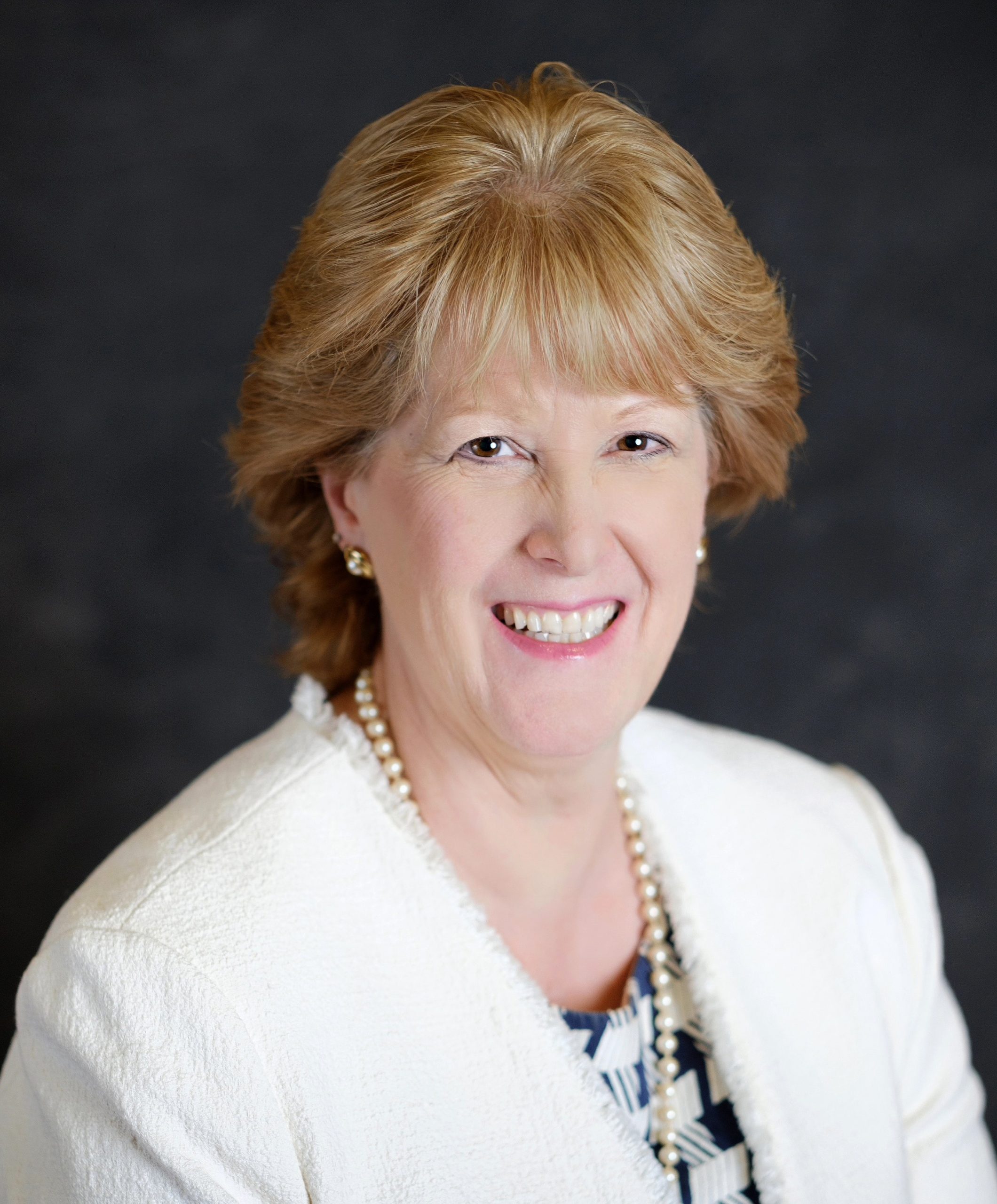
Dr. Kay A. Toomey is a Pediatric Psychologist who has worked with children who don’t eat for over 35 years.
More...
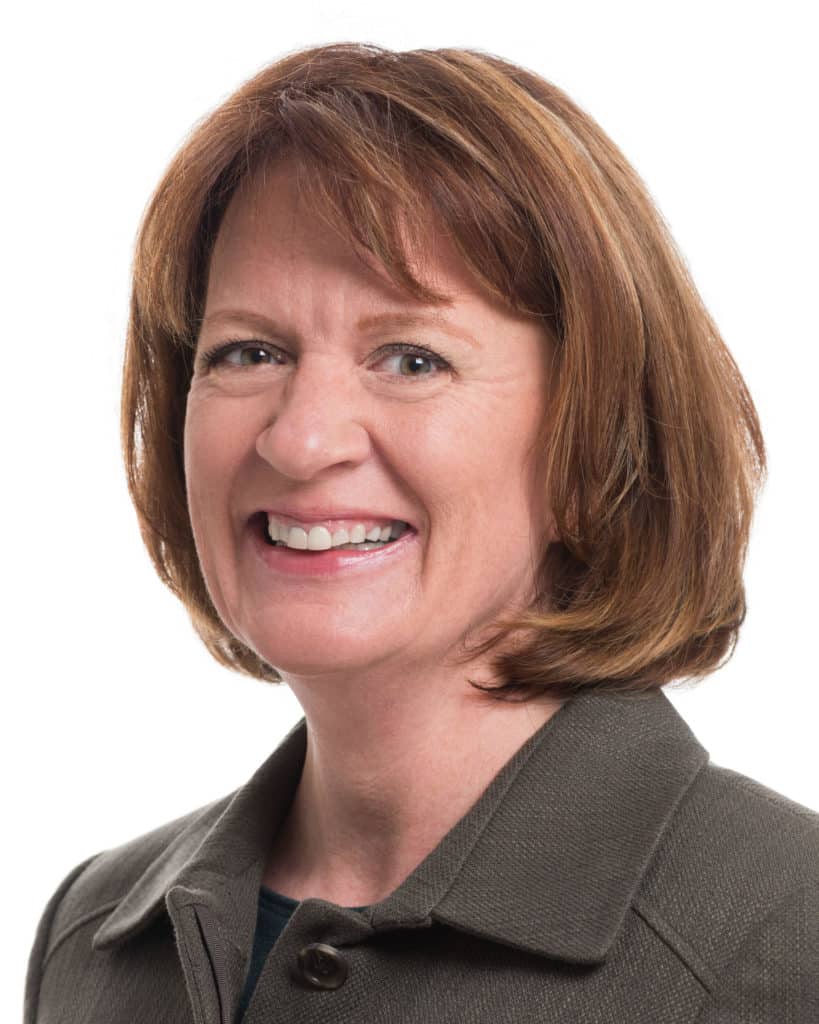
Dr. Erin Sundseth Ross received her Ph.D. from the University of Colorado in 2007, followed by a 2-year Post-Doctoral Fellowship in the Section of Nutrition at the University of Colorado Denver.
More...
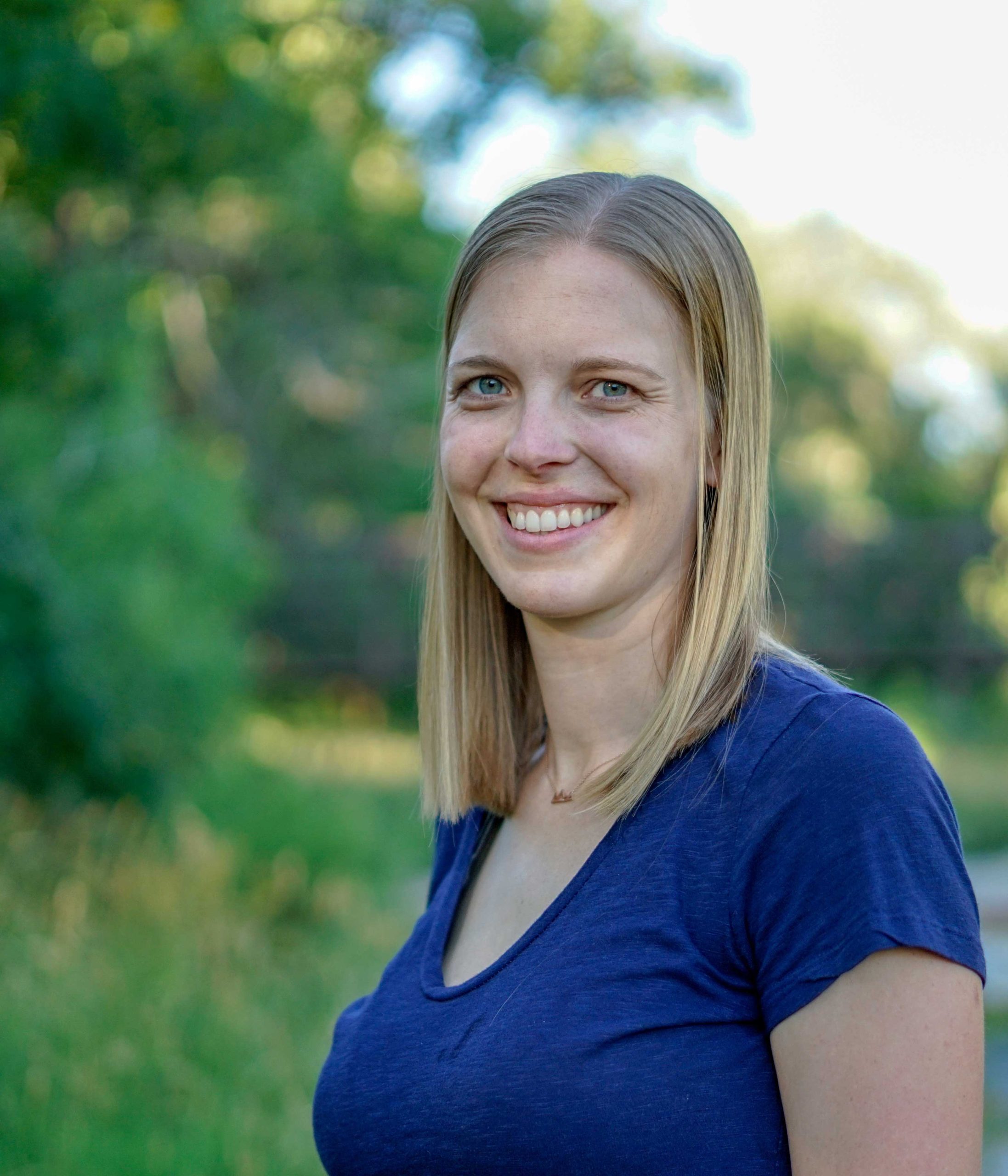
Lindsay Beckerman received her Master of Occupational Therapy degree from Ohio State University..
More...

Susan Kniffen received her master’s degree in Occupational Therapy at Shenandoah University (VA)..
More...
Help children overcome a wide range of feeding challenges, improve their eating habits, and develop a more positive relationship with food.
Learn more...
Understanding the difference between picky eating, Pediatric Feeding Disorders (PFD) and Avoidant Restrictive Food Intake Disorder (ARFID) can be challenging.
Learn more...
Develop individualized feeding programs based on the specific needs and challenges of children with picky eating.
Learn more...
Helping a child develop a healthy life-long relationship with food begins early in their lives.
Learn more...
Improve the nutrition of your students by addressing their feeding challenges.
Learn more...
Improve your ability to identify which of your patients with picky eating need extra help.
Learn more...
* If parents wish to attend the training workshop, they must be accompanied by their child’s feeding therapist.
7:00am to 8:30am
Registration
9:00am to 9:15am
Course Announcements
Course logistics and requirements to pass
9:15am to 11:00am
I. Introduction
II. Feeding Theory & Milestones – How children learn to AND not to eat
A. Myth 1 = Breathing
B. Myth 1 = Posture
C. Oral-Motor Skill Acquisition & Developmental Food Continuum
11:00am to 11:25am
Break
11:25am to 1:15pm
II. Feeding Theory & Milestones (continued)
C. Oral-Motor Skills & Developmental Food Continuum
1:15pm to 2:15pm
Lunch
2:15pm to 4:15pm
II. Feeding Theory & Milestones (continued)
D. Sensory Skill Acquisition
E. Understanding the Role of Sensory Integration
G. Steps to Eating – Overview
4:15pm to 4:40pm
Break
4:40pm to 6:30pm
II. Feeding Theory & Milestones (continued)
H. Cognitive Development – Dr. Toomey
6:30 pm to 6:45pm
End of Day Quiz – open book
7:30am to 8:30am
Registration
9:00am to 11:00am
II. Feeding Theory & Milestones (continued)
Psychological Developmental Stages
III. Treatment/Interventions
A. General Treatment Strategies
1. Social Role Modelling
2. Structure/Routine
11:00am to 11:25am
Break
11:25am to 1:15am
III. Treatment/Interventions (continued)
A. General Treatment Strategies – (continued)
3. The Correct Use of Reinforcement
4. Accessing the Cognitive
1:15am to 2:15pm
Lunch
2:15pm to 4:15pm
III. Treatment/Interventions (continued)
B. Food Jags
IV. Assessment of Feeding Problems
A. Referral Candidates
B. Assessment Process
C. Assessment by Subsystems
4:15pm to 4:40pm
Break
4:40pm to 6:30pm
IV. Assessment of Feeding Problems – (continued)
C. Assessment by Subsystems (continued)
2. What to Observe (continued)
3. Practice Videos (continued)
D. Assessment Vignette 1 – Medically Complicated
E. Assessment Vignette 2 – Family
F. Parents’ Experience
6:30pm to 6:45pm
End of Day Quiz – open book
7:30am to 8:30am
Registration
9:00am to 11:00am
V. The SOS Approach to Feeding – Theoretical Requirements
A. Systematic Desensitization
B. Cues to Eating
C. Language Use
11:00am to 11:25am
Break
11:25am to 1:15pm
VI. The SOS Approach to Feeding – Therapy Sessions – (continued)
A. Therapy Format – Child (continued)
B. Therapy Format – Parent
C. Modifications Across Settings
D. Sensory Based Problem Solving
1:15pm to 2:15pm
Lunch
2:15pm to 4:15pm
VI. The SOS Approach to Feeding – Therapy Sessions – (continued)
E. Progression Across Sessions
F. Graduation Criteria & SOS Data
G. Building a Food Hierarchy
4:15pm to 4:40pm
Break
4:40pm to 6:30pm
VI. The SOS Approach to Feeding – Therapy Sessions – (continued)
G. Building a Food Hierarchy (continued)
6:30pm to 6:45pm
End of Day Quiz – open book
7:00am to 8:00am
Registration
8:30am to 10:20am
VI. The SOS Approach to Feeding – Therapy Sessions (continued)
H. Hierarchy Strategies – Moving Children Up the Steps
10:20am to 10:45am
Break
10:45am to 12:30pm
VI. The SOS Approach to Feeding – Therapy Sessions – (continued)
H. Hierarchy Strategies – Moving Children Up the Steps – (continued)
4. Practicing hierarchy strategies (continued)
I. Hierarchy Strategies – Oral Motor Steps to Eating
1. Practicing hierarchy strategies
12:30pm to 1:30pm
Lunch
1:30pm to 3:20pm
VI. The SOS Approach to Feeding – Therapy Sessions – (continued)
I. Hierarchy Strategies – Oral Motor Steps to Eating – Dr. Ross (continued)
1. Practicing hierarchy strategies (continued)
J. Videos: Progression Within Session (Sessions 1)
3:20pm to 3:45pm
Break
3:45pm to 5:30pm
VI. The SOS Approach to Feeding – Therapy Sessions – (continued)
K. SOS Data
L. Videos: Progression Within Session (Sessions 12)
VII. Managing Other Maladaptive Behaviors
A. Emotion Based Discipline
5:30pm to 5:45pm
End of Day Quiz – open book
15 minutes
Chapter 1: Introduction and Requirements
2 hours, 30 minutes
Chapter 2: Prevalence and Scope of Problem
2 hours, 30 minutes
Chapter 3: SOS Tenets and Top Ten Myths
2 hours
Chapter 4: The Role of Learning in Feeding – How children learn to AND not to eat
1 hour
Chapter 5: Foundations of Feeding Development – Motor and Sensory
1 hour
Chapter 6: Foundations of Feeding Development – Cognitive
This SOS Training Course has a 100% Attendance requirement. Registrants are expected to complete the 9-hour pre-recorded Online Segment of the Training Course (+ 15 minutes Instructions & Requirements) at least two weeks prior to attending the In-Person Segment of the Course.
During the In-Person Segment. Registrants are expected to fully participate for the entire length of each day: Days 1-3 from 9:00am to 6:30pm and Day 4 from 8:30am to 5:30pm. Registrants will miss crucial information needed to be able to correctly use the SOS Approach to Feeding program if they come late or leave the Training Course early. Registrants who arrive late or leave early will not receive their Certificate of Attendance or their CEU credits.
There will be no partial CE credit awarded for this SOS Training Course. This SOS Training Course has a 100% Attendance requirement. Registrants are expected to complete the 9-hour pre-recorded Online Segment of the Training Course (+ 15 minutes Instructions & Requirements) at least two weeks prior to attending the In-Person Segment of the Course.
During the In-Person Segment, Registrants are expected to fully participate for the entire length of each day: Days 1-3 from 9:00am to 6:30pm and Day 4 from 8:30am to 5:30pm. Registrants will miss crucial information needed to be able to correctly use the SOS Approach to Feeding program if they come late or leave the Training Course early.
Registrants who arrive late or leave early will not receive their Certificate of Attendance or their CEU credits. There will be no partial CE credit awarded for this SOS Training Course.
To read the detailed Instructions and Terms of Participation for the SOS Approach to Feeding Training Program, please click here.
You’ll receive your registration details within 5 days after submitting your application.
The Training is scheduled to be held at a central conference venue within the Municipality of Athens.
The venue, that will be in line with the high quality and delivery standards of Diepistimoniko Kentro Ipeirou, will be selected based on the final number of registered participants and will be shared with the participants no later than one (1) month prior to the start of the Training.
Accommodation: Once you’ve registered, feel free to reach out for details about your stay. We’ve secured special rates at centrally located hotels in Athens just for our participants.