
If you want to be sure you really know how to help children with feeding problems, don’t miss the internationally recognized SOS Approach to Feeding Training Course.
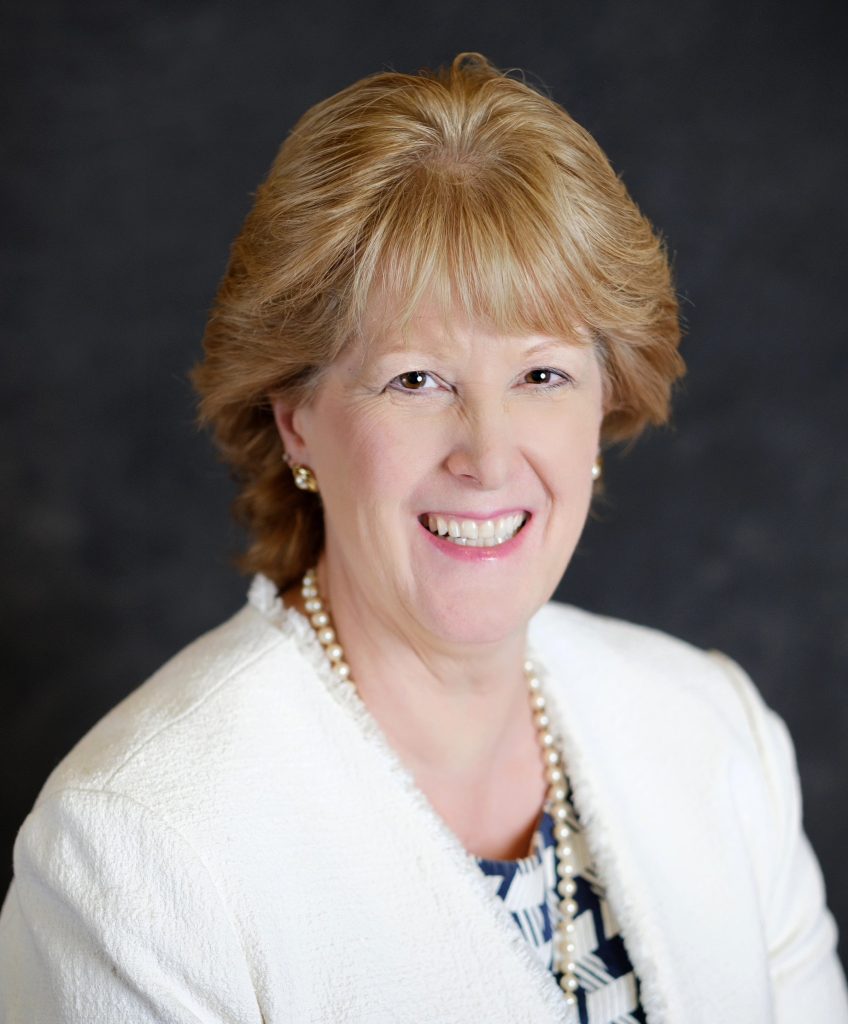
Dr. Kay A. Toomey is a Pediatric Psychologist who has worked with children who don’t eat for over 35 years. She has developed the SOS Approach to Feeding as a family centered program for assessing and treating children with feeding problems.
Dr. Toomey speaks nationally and internationally about her approach. She helped to form The Children’s Hospital – Denver’s Pediatric Oral Feeding Clinic, as well as the Rose Medical Center’s Pediatric Feeding Center.
She co-chaired the Pediatric Therapy Services Department at Rose Medical Center prior to entering private practice.
Dr. Toomey acted as the Clinical Director for Toomey & Associates, Inc.’s Feeding Clinic, and then the SOS Feeding Solutions @ STAR before shifting into clinical consultation in order to focus on her teaching.
She is currently the President of Toomey & Associates, Inc. and an Adjunct Research Fellow at Rocky Mountain University of Health Professions.
Hello everyone! I am Dr Kay Toomey and I am the developer of the SOS Approach to Feeding program. The SOS Approach to Feeding is the world-renowned family-centered care program that I created with wonderful colleagues from the fields of occupational therapy, speech pathology, medicine, nutrition and dietetics, as well as mental health, in order to have both an evidence-informed and an evidence-based transdisciplinary approach for assessing and treating children with pediatric feeding challenges. I am speaking to you today personally to invite you to attend the SOS Approach to Feeding training course being hosted by Diepistimoniko Center on October 29th to November 1st 2026. Myself and my team will be there in Athens, Greece, to teach you how to carry out the SOS Approach to Feeding therapy program in your practice settings. Our training course will include clinical videos, as well as hands-on experience with food, to understand oral motor skill development, breathing and postural exercises, to emphasize the critical other physical skills that children need in order to eat well, and practice with building the SOS Approach to Feeding food hierarchies, which you will be using in your treatment sessions. Participants will also be engaging in therapeutic play exercises with your colleagues at the training, to practice a variety of SOS treatment techniques. If you would like to become the leading expert in pediatric feeding disorders in your community, please join us for this fantastic learning experience. Thank you!
Dr Kay A. Toomey
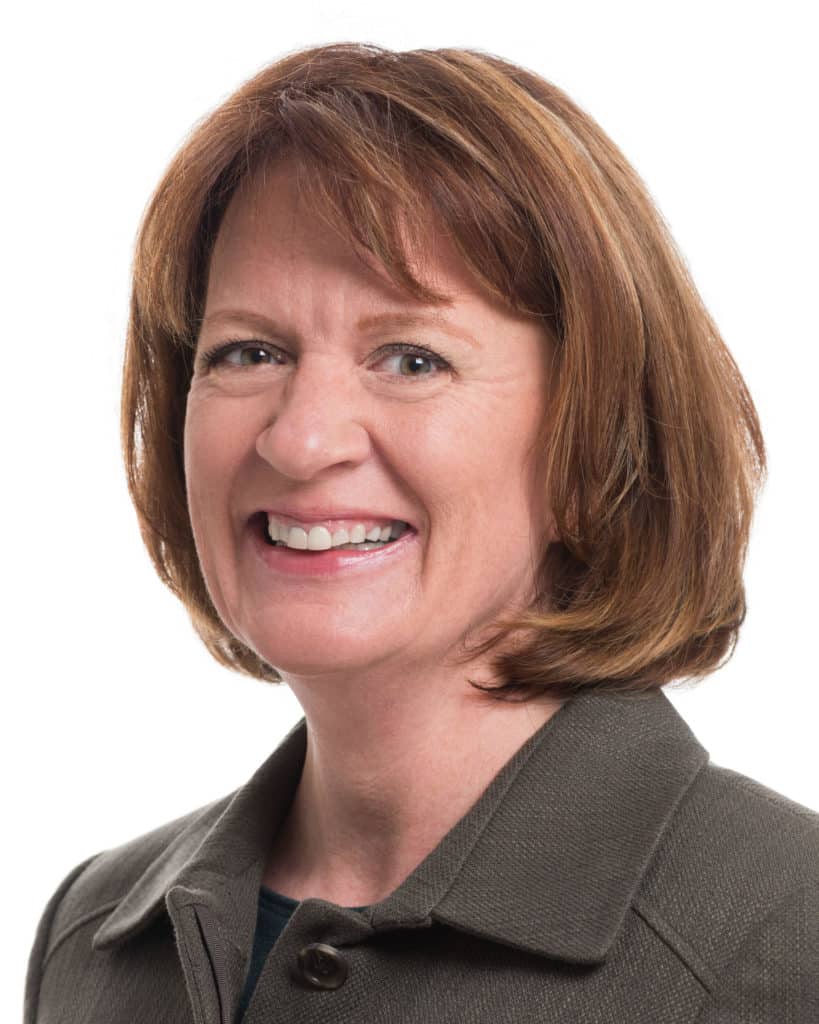
Dr. Erin Sundseth Ross received her Ph.D. from the University of Colorado in 2007, followed by a 2-year Post-Doctoral Fellowship in the Section of Nutrition at the University of Colorado Denver. Her master’s degree is in Speech and Language Pathology, from California State University Stanislaus, which she received in 1988.
Dr. Ross is currently an assistant clinical professor in the Department of Pediatrics, School of Medicine, University of Colorado and is on faculty at the Rocky Mountain University of Health Professions. She has authored several book chapters and publications related to feeding preterm infants and infants with medical comorbidities.
Dr. Ross provides clinical consultation to several Newborn Intensive Care Units (NICU) within the HealthONE system in Denver, in addition to providing professional education and research consultation through Feeding FUNdamentals, LLC. She created SOFFI®, a training program for caregivers in the NICU and therapists and other professionals working with babies who are having problems breast or bottle feeding at home. She brings 30+ years of experience working with premature infants and infants with medical problems.
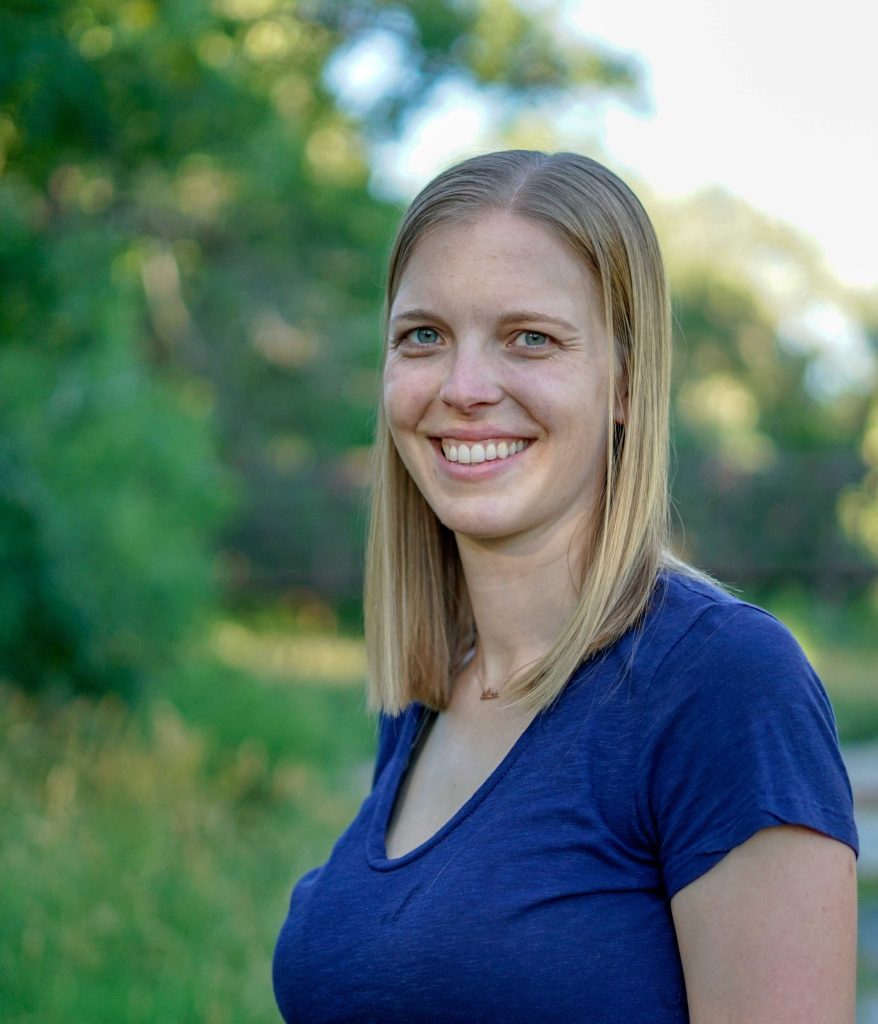
Lindsay Beckerman received her Master of Occupational Therapy degree from Ohio State University. She is currently the lead OT and Feeding Specialist at Developmental FX, a non-profit pediatric therapy clinic, which utilizes a multidisciplinary approach to transform the lives of children who have neurodevelopmental differences and mental health challenges.
Prior to this, she worked as a Pediatric Feeding Specialist at SOS Feeding Solutions @ STAR with Dr. Kay Toomey and Dr. Lucy Jane Miller and currently continues to work with Dr. Toomey as an SOS Professor. Lindsay has also worked as a member of a multidisciplinary team at a hospital/residential facility for children and teens with neurodevelopmental differences and mental health challenges.
Lindsay has completed several courses in Ayres SI, is a Level 2 DIR Floortime certified provider, and has completed the Polyvagal Certificate Course. Lindsay enjoys empowering children, teens, young adults, and parents in building skills to help mealtimes go better.
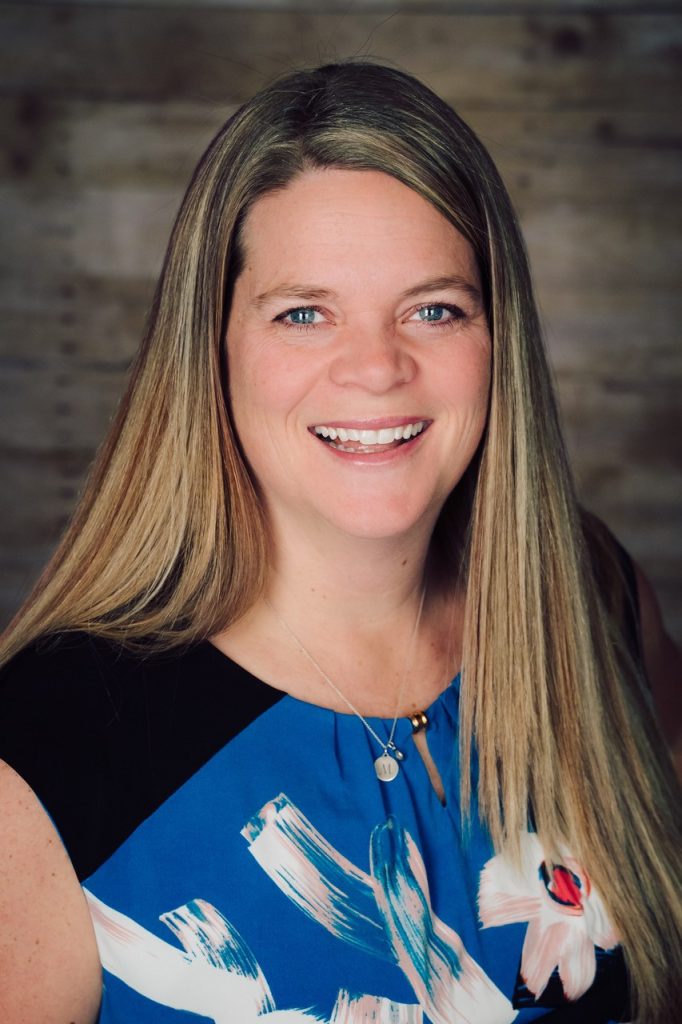
Susan Kniffen received her master’s degree in Occupational Therapy at Shenandoah University (VA). She spent the first two years of her career working with adults in acute care and rehabilitation settings before transferring to working in pediatric settings in 2005.
Since 2006, she has been a feeding specialist in addition to working with children who have orthopedic, neurological, and complex medical needs. She is currently an occupational therapist and feeding specialist in the early intervention program for The Resource Exchange in Colorado Springs, CO.
Previously she provided pediatric outpatient feeding and rehabilitation services through Memorial Hospital, Toomey & Associates Inc., and Children’s Hospital Colorado. Partnering with families to educate and empower them to be observers and experts of their children is her passion.
7:00am to 8:30am
Registration
9:00am to 9:15am
Course Announcements
Course logistics and requirements to pass
9:15am to 11:00am
I. Introduction
II. Feeding Theory & Milestones – How children learn to AND not to eat
A. Myth 1 = Breathing
B. Myth 1 = Posture
C. Oral-Motor Skill Acquisition & Developmental Food Continuum
11:00am to 11:25am
Break
11:25am to 1:15pm
II. Feeding Theory & Milestones (continued)
C. Oral-Motor Skills & Developmental Food Continuum
1:15pm to 2:15pm
Lunch
2:15pm to 4:15pm
II. Feeding Theory & Milestones (continued)
D. Sensory Skill Acquisition
E. Understanding the Role of Sensory Integration
G. Steps to Eating – Overview
4:15pm to 4:40pm
Break
4:40pm to 6:30pm
II. Feeding Theory & Milestones (continued)
H. Cognitive Development – Dr. Toomey
6:30 pm to 6:45pm
End of Day Quiz – open book
7:30am to 8:30am
Registration
9:00am to 11:00am
II. Feeding Theory & Milestones (continued)
Psychological Developmental Stages
III. Treatment/Interventions
A. General Treatment Strategies
1. Social Role Modelling
2. Structure/Routine
11:00am to 11:25am
Break
11:25am to 1:15am
III. Treatment/Interventions (continued)
A. General Treatment Strategies – (continued)
3. The Correct Use of Reinforcement
4. Accessing the Cognitive
1:15am to 2:15pm
Lunch
2:15pm to 4:15pm
III. Treatment/Interventions (continued)
B. Food Jags
IV. Assessment of Feeding Problems
A. Referral Candidates
B. Assessment Process
C. Assessment by Subsystems
4:15pm to 4:40pm
Break
4:40pm to 6:30pm
IV. Assessment of Feeding Problems – (continued)
C. Assessment by Subsystems (continued)
2. What to Observe (continued)
3. Practice Videos (continued)
D. Assessment Vignette 1 – Medically Complicated
E. Assessment Vignette 2 – Family
F. Parents’ Experience
6:30pm to 6:45pm
End of Day Quiz – open book
7:30am to 8:30am
Registration
9:00am to 11:00am
V. The SOS Approach to Feeding – Theoretical Requirements
A. Systematic Desensitization
B. Cues to Eating
C. Language Use
11:00am to 11:25am
Break
11:25am to 1:15pm
VI. The SOS Approach to Feeding – Therapy Sessions – (continued)
A. Therapy Format – Child (continued)
B. Therapy Format – Parent
C. Modifications Across Settings
D. Sensory Based Problem Solving
1:15pm to 2:15pm
Lunch
2:15pm to 4:15pm
VI. The SOS Approach to Feeding – Therapy Sessions – (continued)
E. Progression Across Sessions
F. Graduation Criteria & SOS Data
G. Building a Food Hierarchy
4:15pm to 4:40pm
Break
4:40pm to 6:30pm
VI. The SOS Approach to Feeding – Therapy Sessions – (continued)
G. Building a Food Hierarchy (continued)
6:30pm to 6:45pm
End of Day Quiz – open book
7:00am to 8:00am
Registration
8:30am to 10:20am
VI. The SOS Approach to Feeding – Therapy Sessions (continued)
H. Hierarchy Strategies – Moving Children Up the Steps
10:20am to 10:45am
Break
10:45am to 12:30pm
VI. The SOS Approach to Feeding – Therapy Sessions – (continued)
H. Hierarchy Strategies – Moving Children Up the Steps – (continued)
4. Practicing hierarchy strategies (continued)
I. Hierarchy Strategies – Oral Motor Steps to Eating
1. Practicing hierarchy strategies
12:30pm to 1:30pm
Lunch
1:30pm to 3:20pm
VI. The SOS Approach to Feeding – Therapy Sessions – (continued)
I. Hierarchy Strategies – Oral Motor Steps to Eating – Dr. Ross (continued)
1. Practicing hierarchy strategies (continued)
J. Videos: Progression Within Session (Sessions 1)
3:20pm to 3:45pm
Break
3:45pm to 5:30pm
VI. The SOS Approach to Feeding – Therapy Sessions – (continued)
K. SOS Data
L. Videos: Progression Within Session (Sessions 12)
VII. Managing Other Maladaptive Behaviors
A. Emotion Based Discipline
5:30pm to 5:45pm
End of Day Quiz – open book
15 minutes
Chapter 1: Introduction and Requirements
2 hours, 30 minutes
Chapter 2: Prevalence and Scope of Problem
2 hours, 30 minutes
Chapter 3: SOS Tenets and Top Ten Myths
2 hours
Chapter 4: The Role of Learning in Feeding – How children learn to AND not to eat
1 hour
Chapter 5: Foundations of Feeding Development – Motor and Sensory
1 hour
Chapter 6: Foundations of Feeding Development – Cognitive
This SOS Training Course has a 100% Attendance requirement. Registrants are expected to complete the 9-hour pre-recorded Online Segment of the Training Course (+ 15 minutes Instructions & Requirements) at least two weeks prior to attending the In-Person Segment of the Course. During the In-Person Segment. Registrants are expected to fully participate for the entire length of each day: Days 1-3 from 9:00am to 6:30pm and Day 4 from 8:30am to 5:30pm. Registrants will miss crucial information needed to be able to correctly use the SOS Approach to Feeding program if they come late or leave the Training Course early. Registrants who arrive late or leave early will not receive their Certificate of Attendance or their CEU credits. There will be no partial CE credit awarded for this SOS Training Course. This SOS Training Course has a 100% Attendance requirement. Registrants are expected to complete the 9-hour pre-recorded Online Segment of the Training Course (+ 15 minutes Instructions & Requirements) at least two weeks prior to attending the In-Person Segment of the Course. During the In-Person Segment, Registrants are expected to fully participate for the entire length of each day: Days 1-3 from 9:00am to 6:30pm and Day 4 from 8:30am to 5:30pm. Registrants will miss crucial information needed to be able to correctly use the SOS Approach to Feeding program if they come late or leave the Training Course early. Registrants who arrive late or leave early will not receive their Certificate of Attendance or their CEU credits. There will be no partial CE credit awarded for this SOS Training Course.